
Explores the critical applications of precision machining, highlighting its key advantages and the transformative impact it has on industries worldwide.
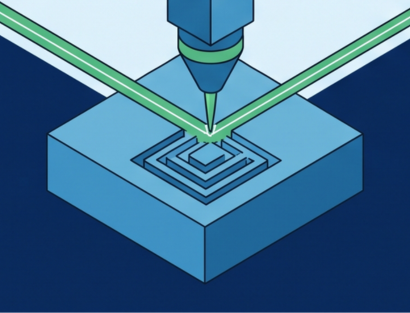
Technological advancement drives innovation across industries, and computer-aided manufacturing (CAM) and precision machining stand out as fundamental processes enabling the production of intricate and high-quality components that we rely on in our everyday lives. From the aerospace sector to medical device manufacturing, these processes ensure parts meet exact specifications, which improves reliability and efficiency.
Precision machining companies work tirelessly to deliver components that are essential to a wide range of industries. These companies employ skilled professionals and advanced technology to produce parts with exceptional accuracy and precision. Most precision machining companies have a deep understanding of their client's needs and can tailor their services to meet specific requirements.
This article explores the critical applications of precision machining, highlighting its key advantages and the transformative impact it has on industries worldwide. We will also take a peek into the future factory and how it's constantly evolving to meet the demands of a changing world.
Precision machining is the art and science of creating high-tolerance components from a solid block of material. Unlike traditional machining methods, which rely heavily on the human skills of a precision machinist, precision machining uses computer-controlled machines, like Computer Numerical Control (CNC) machines, to achieve exceptional accuracy and repeatability.
Let's take a look at how precision machining plays a critical role in different industries:
The manufacturing sector relies heavily on precision machining for producing a wide range of components. From simple gears and shafts to complex machine parts, precision machining ensures these components meet stringent quality standards. It allows for the creation of high-performance components that ensure the smooth operation of machinery across various sectors.
The success of a space launch or a smooth airplane flight hinges on the reliability of its components. Precision machining ensures the creation of lightweight, high-strength parts for aircraft engines, landing gear, and other critical aerospace components. Every millimeter counts, and precision machining guarantees the perfect fit and function for these vital parts.
Precision machining plays a vital role in the medical field, enabling the creation of life-saving devices like surgical instruments, prosthetics, and implants. These components require exceptional accuracy and reliability, ensuring optimal functionality during delicate medical procedures.
Modern vehicles are marvels of engineering, and precision machining plays a crucial role in their creation. From engine components and fuel injectors to intricate transmission parts, precision machining guarantees the high-performance and smooth operation of vehicles.
The miniaturization of electronic devices wouldn't be possible without precision machining. It allows for the creation of incredibly small and complex components like circuit boards, connectors, and microchips, forming the backbone of modern electronics and computers.
From high-precision weaponry to navigation systems and communication equipment, precision machining is essential for the defense sector. It ensures the creation of reliable and durable components that can withstand harsh environments and demanding operations.
If you're eager to join the manufacturing workforce, you might be drawn to machining, or precision machining in particular. Knowing how it benefits various industries is crucial:
The precision machining process involves a series of carefully executed steps to ensure the creation of high-quality components. Let's break down these key steps:
The journey begins with a detailed design of the desired component using Computer Aided Design (CAD) software. This blueprint defines the dimensions, tolerances, and material specifications for the part. Meticulous attention to detail is crucial at this stage to ensure the final product meets the intended function and performance requirements.
The type of material used plays a pivotal role in the performance of the final product. The chosen material must possess the necessary strength, weight, and other properties to meet the application's demands. Factors such as corrosion resistance, heat tolerance, and biocompatibility are considered when selecting materials for specific industries like aerospace, medical devices, and automotive.
The CAD design is transformed into a CNC program that guides the machine in shaping the material. These instructions include toolpaths, speeds, and feed rates, meticulously defining the cutting process. Any errors or inconsistencies in the program can lead to inaccuracies in the final product, emphasizing the importance of skilled programming.
The CNC machine, equipped with various precision machining tools like milling machines and drill presses, follows the programmed instructions to remove material from the workpiece. This process can involve various machining operations, such as milling, turning, drilling, and grinding. The machine's precision and control are essential to achieve the desired shape, dimensions, and surface finish.
After machining, the component undergoes rigorous inspection to verify that it meets the specified dimensions, tolerances, and quality standards. This may involve using measuring instruments like calipers, micrometers, machine tool calibration welding, or coordinate measuring machines (CMMs). Quality control is a critical step to ensure that the final product functions as intended and meets customer expectations.
Depending on the application, additional surface finishing treatments may be necessary to improve the component's appearance, corrosion resistance, or other properties. These treatments can include polishing, plating, or coating. Surface finishing enhances the overall aesthetic appeal and functionality of the final product.
For components that are part of a larger assembly, they are then assembled with other parts. A final inspection is conducted to ensure that the assembly meets the overall product requirements. This step verifies that all components fit together correctly and that the final product functions as intended.
Precision machining, while a highly efficient and precise process, has its challenges. Let's explore some of the notable ones here:
One of the primary challenges is the substantial upfront cost associated with precision machining. CNC machines, specialized tooling, and software can be expensive, requiring a significant financial commitment. This can be a barrier for smaller businesses or those entering the industry for the first time.
Creating accurate CNC programs requires specialized knowledge and skills. The complexity of the program can increase with the intricacy of the part, leading to longer setup times. Programming errors or inefficiencies can result in wasted time and materials, impacting production efficiency and costs.
Precision machining demands strict adherence to tolerances and specifications. Maintaining consistent quality requires meticulous attention to detail, from programming the CNC machine to inspecting the final product. Any deviations can lead to defects, rework, and increased costs.
Precision machining tools are subject to wear and tear. Regular maintenance, including sharpening and replacement, is essential to ensure optimal performance and accuracy. Neglecting tool maintenance can result in decreased precision, increased production time, and potential damage to the machine, which will require machine tool calibration to be fixed.
Several precision machining trends are poised to shape the future of this critical manufacturing process. Let's explore some of the key developments.
The integration of automation and robotics is expected to transform precision machining. Robotic systems can handle complex tasks with greater precision and speed than human operators, reducing the risk of errors and improving efficiency. Advanced robotics can also enable continuous operation, minimizing downtime and maximizing productivity.
Collaborative robots (cobots) can enhance human-machine interaction, allowing for more flexible and adaptable manufacturing processes.
Additive manufacturing, also known as 3D printing, is used in conjunction with precision machining more often. While additive manufacturing excels in creating complex geometries and prototypes, precision machining is well-suited for producing high-precision components with tight tolerances.
By combining these technologies, manufacturers can leverage the strengths of each to create more complex and functional parts. For example, additive manufacturing can be used to create intricate features or tooling, which can then be refined using precision machining for improved accuracy and surface finish.
The development of new advanced materials is expanding the possibilities of precision machining. Materials like high-strength alloys, composites, and ceramics offer enhanced properties like improved durability, weight reduction, and corrosion resistance. These materials can be used to create components that are lighter, stronger, and more resistant to harsh environments.
Precision machining techniques such as electrical discharge machining must be adapted to handle the unique characteristics of these advanced materials, ensuring that the desired properties are achieved without compromising quality or accuracy.
The integration of Internet of Things (IoT) technologies and machine learning is set to revolutionize precision machining. IoT-enabled sensors can collect data on various aspects of the manufacturing process, such as machine performance, tool wear, and environmental conditions. This data can then be analyzed using machine learning algorithms to identify patterns, predict failures, and optimize operations.
For example, machine learning can be used to predict tool wear and schedule preventive maintenance, reducing downtime and improving overall efficiency. Plus, IoT and machine learning can enable predictive maintenance, allowing manufacturers to anticipate and address potential issues before they lead to disruptions or quality problems.
The world of precision machining is dynamic and constantly evolving with new technologies. While the advantages of this process are undeniable, optimizing operations and maximizing efficiency requires the right tools.
Kimco offers a comprehensive solution designed specifically for custom manufacturers, including those specializing in precision machining. It provides a full suite of features that can streamline your workflow, improve accuracy, and elevate your business.
Here's how our ERP platform can benefit your precision machining operation:
Ready to experience the power of Kimco ERP?

Start your journey with KIMCO today and explore how our manufacturing management software can simplify your operations, step up productivity, and help you meet all your business goals.
