
Explore this list of 23 essential manufacturing KPIs for 2026, covering key aspects like production efficiency, quality control, and delivery metrics to help enhance your operational success.
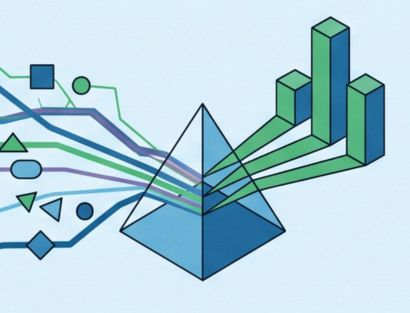
Modern manufacturers adopt various strategies to maintain a laser-sharp focus on efficiency, quality, and on-time delivery to remain competitive. However, in the relentless pursuit of excellence, they face a constant challenge: optimizing operations to drive maximum results.
That's where the power of Key Performance Indicators (KPIs) comes into play. KPIs offer a powerful set of tools to measure performance, identify bottlenecks, and derive data-driven insights that can inform manufacturers' decisions to streamline operations and boost efficiency, quality, and profitability.
In this comprehensive guide, we've curated a list of 23 essential manufacturing KPIs every ERP dashboard should feature, covering key aspects like production efficiency, quality control, and delivery metrics to help enhance your operational success.
Key Performance Indicators, or KPIs, are quantifiable measurements that track a company's progress toward its specific business goals. In manufacturing, KPIs play a crucial role in driving success. They are measurable metrics that provide clear benchmarks for evaluating performance across various sectors of your business.
KPIs are essential because they serve a critical business function: to support strategic decision-making and help you identify areas for improvement. By providing real-time insights, they enable you to streamline operations and improve profitability. Whether it's monitoring production efficiency, quality assurance, or supply chain effectiveness, tracking these manufacturing metrics gives you a comprehensive view of how well your manufacturing process functions.
To make the most of KPIs, many manufacturers turn to Enterprise Resource Planning (ERP) systems like Kimco. These systems offer real-time tracking of KPIs, allowing for a seamless flow of information across departments. Such integration ensures that every aspect of the manufacturing process is aligned with your performance goals, making it easier to take quick actions and maintain a competitive edge.
In this section, we've compiled a list of the top manufacturing KPIs for 2026, carefully chosen to address the most pressing challenges faced by modern manufacturers. These include maximizing efficiency, maintaining rigorous quality control, and ensuring timely deliveries.
These KPIs focus on the core elements of your production line, giving you a clear picture of how efficiently you're transforming raw materials into finished products.
Production rate quantifies the amount of product made within a set time. It's critical for evaluating efficiency. A strong understanding of this KPI helps manufacturers identify bottlenecks, schedule maintenance wisely, and maintain quality standards, all vital to meeting business goals.
This metric reveals how effectively your machines are being used for production purposes. High utilization indicates efficient operation, while low utilization highlights opportunities for better scheduling or machine optimization.
This powerful metric combines three essential factors: availability, performance, and quality rate. Think of it as the holy grail of production efficiency. A high OEE indicates maximum output from your equipment.
This KPI measures the amount of unplanned downtime experienced on the production floor, impacting productivity. Downtime can be caused by equipment breakdowns, material shortages, or other unexpected disruptions.
This measures the rate at which raw materials are transformed into finished products. Tracking throughput helps you assess the overall efficiency of your production processes and identify bottlenecks that may be slowing down production flow.
This tracks the average time it takes for a single unit to complete each production stage. Cycle times include the time spent on processing, movement, and waiting between different steps. Analyzing cycle times helps identify areas where work-in-progress is accumulating and optimize the flow of materials through your production line.
This KPI involves predicting future customer demand using historical sales data, market trends, and analytics, which helps manufacturers plan production schedules, optimize inventory levels, and reduce overproduction and stockouts. Accurate forecasting contributes to smoother operations and improves customer satisfaction.
This metric simply tracks the total quantity of units produced during a specific period. It's a foundational metric that helps manufacturers understand their overall production capacity and meet customer needs.
This crucial metric measures the total cost of producing a single unit of your product or service. CPU is calculated by dividing the total cost of production by the number of units produced. Tracking this KPI allows manufacturers to identify and minimize expenses like materials, labor, and overhead.
Takt Time is the pace at which products must be manufactured to meet customer demand. It aligns production speed with sales pace, ensuring efficiency and minimizing waste. Balancing these elements helps manufacturers optimize workflow and satisfy market needs consistently.
These KPIs are pivotal for guaranteeing that manufacturing processes consistently deliver high-quality products, meet customer expectations, and reduce waste.
This KPI evaluates how efficiently a machine or system operates compared to its maximum potential. It combines availability, performance, and quality to provide a comprehensive view of equipment effectiveness. Monitoring OEE helps identify areas needing improvement, optimizing productivity while reducing operational costs.
This tracks the amount of raw materials or finished products that are wasted due to defects. A high scrap rate indicates inefficiencies in the production process, leading to increased manufacturing costs and reduced profitability. By monitoring the scrap rate, you can identify areas where quality control measures need to be strengthened and take steps to minimize waste.
This metric measures the percentage of products that pass quality inspection on the first attempt without requiring rework or rework. A high FPY indicates that your production processes are running efficiently and producing high-quality products, reducing the need for rework and improving overall productivity.
This KPI tracks the frequency of returns and complaints related to product quality. It provides valuable insights into customer satisfaction and helps you identify areas where your products may fall short.
These KPIs focus on delivering products on time while keeping your operation efficient.
This KPI measures the percentage of orders delivered to customers within the promised timeframe. Tracking OTD helps manufacturers assess their ability to meet customer expectations and maintain customer satisfaction.
This metric tracks the average time it takes to fulfill an order from receipt to shipping. It is calculated by dividing the total time taken to fulfill all orders by the total number of orders. Reducing order lead time improves customer satisfaction and responsiveness.
This measures how efficiently you manage your inventory by calculating the number of times your average inventory is sold and replaced during a specific period. A high inventory turnover indicates that you are effectively managing your inventory, minimizing storage costs, and avoiding stockouts.
This tracks the percentage of your production capacity being used. It is calculated by dividing the actual output produced by the maximum possible output. A high capacity utilization rate indicates that your production resources are used efficiently, maximizing output and reducing costs.
This KPI tracks the savings realized by implementing cost-cutting initiatives. It can include savings from reduced waste, energy efficiency, or avoided penalties. By monitoring avoided costs, you can measure the success of cost-saving actions and spot more ways to improve.
The 'Return on Assets' KPI measures how effectively your assets are being used to generate profits. A high ROA indicates that your assets are being utilized efficiently to generate returns, while a low ROA may suggest that your assets are not being used effectively or that your costs are too high.
This KPI combines availability, performance, and quality into a single metric, providing a comprehensive view of your equipment's effectiveness. It helps you identify areas where equipment performance can be improved to increase productivity and reduce costs.
This measures the average revenue generated by each employee, indicating the efficiency of your workforce. It helps you assess the productivity of your employees and identify areas for improvement in terms of training, resource allocation, and work processes.
This KPI tracks the rate at which employees leave your company, indicating employee satisfaction and retention levels. A high turnover rate can lead to an increased manufacturing cost, decreased productivity, and loss of institutional knowledge.
ERP software plays a crucial role in streamlining KPI tracking by providing valuable insights into your manufacturing operations.
ERP software gathers data from different parts of your manufacturing process, giving you a real-time view of important metrics. This helps you track KPIs in real time, spot potential problems early, and make decisions based on data to improve your operations.
Manual tracking KPIs can be time-consuming and prone to errors. ERP systems automate this process by continuously collecting and analyzing data from various sources within the organization.
Automation reduces the likelihood of mistakes and frees staff to focus on more strategic tasks. It also allows for setting up automated alerts and notifications to inform relevant personnel when certain KPI thresholds are met or exceeded, enabling proactive management of potential problems.
ERP software often features customizable dashboards that present KPIs clearly and intuitively. These dashboards can be tailored to display the most relevant metrics for different roles within the company, from executives to floor supervisors.
Visual representations such as graphs and charts make it easier to interpret complex data quickly. By having immediate access to the KPIs that matter most to their responsibilities, employees can make informed decisions that align with the company's objectives.
One of the key strengths of ERP systems is their ability to integrate data from multiple departments, such as procurement, production, sales, and finance. This interconnectedness ensures that KPIs are consistent and reflective of the organization's overall performance.
Integrated data allows for a more holistic view of operations, facilitating better coordination and communication between departments. This synergy helps to identify how actions in one area can impact others, leading to more cohesive and effective strategies for improvement.
Kimco's ERP software offers a comprehensive suite of tools and features designed to help manufacturers optimize their operations and improve KPIs. Here are a couple of examples of how Kimco can benefit your manufacturing business.
Kimco's ERP enables you to track machine utilization in real time, identifying machines experiencing excessive downtime. This data can be used to schedule preventive maintenance and identify the root causes of breakdowns, ultimately reducing downtime and improving overall equipment effectiveness.
By monitoring order lead times and your production schedule, Kimco's ERP helps you identify potential bottlenecks and optimize your production processes to ensure timely delivery. Real-time visibility into your production pipeline allows you to proactively address any issues that may impact your delivery timelines.
Kimco's ERP provides real-time insights and predictive analytics that can help you anticipate potential production issues before they occur. By analyzing historical data and identifying trends, you can make informed decisions to optimize your operations, improve manufacturing efficiency, and minimize disruptions.
Every edge gives you a competitive advantage in the competitive manufacturing game. Streamlining operations, maximizing efficiency, and delivering high-quality products on time are all essential, but how do you measure your success and identify areas for growth?
That's where Kimco's ERP software comes in.
Kimco's ERP solution goes beyond traditional software. We provide a comprehensive suite of features designed to empower you to track and optimize your most critical manufacturing KPIs. This means:
Learn firsthand how taking control of your manufacturing operations with our ERP solutions can help you unlock peak performance and achieve your business goals.

Start your journey with KIMCO today and explore how our manufacturing management software can simplify your operations, step up productivity, and help you meet all your business goals.
